Showing posts with label Nutrition. Show all posts

WHAT I SHOULD EAT PART 2- Fat Phobia


Since the 1980's the Food and Drug Administration and dietitians have told us fat (especially saturated) causes heart disease and make you gain weight and should be avoided. The 'low fat' diet craze led to big food companies marketing 'low fat or no fat' foods and artificial spreads as 'heart healthy.' In order to avoid fat, the FDA recommended largest amounts of grains (think bottom of the for pyramid) which are mainly processed carbohydrates. Largest observational research has shown that eating red meat, butter, and whole food fat sources are excellent for overall health when consumed with a low starch/carbohydrate diet.  The largest culprit to the rise in obesity, diabetes, diabetisty, and cardiovascular disease is the over consumption of processed carbohydrates (grains and sugar) which constantly raise insulin levels and inflammation throughout the body.  The chronic rise in inflammation in the arteries leads to formation of plaque. Eating fat will not increase your body fat percentage just like eating cholesterol will not give you a heart attack.  More health professionals and media members are realizing that fat is not the enemy. Look for the next issue of TIME magazine for more information about the history of the 'low fat' diet and the negative impact it is having on our health. 

Foods to avoid to decrease inflammation in the body: 
sugar, artificial spreads, processed grains, vegetable oils, canola oil, soybean oil

How to add healthy fat sources into your diet: 
wild caught fish,  butter/ghee, eggs, avocado, olives (not canned), coconut, nuts (almonds, brazil nuts, macadamia nuts, NOT peanuts), coconut/olive oil
WHAT SHOULD I EAT? PART 1

It is a very simple question; what should I eat? However it's a very complicated answer depending on what media outlet or dietitian you ask. Some say high carbs, no carbs, low fat, high fat, a lot of protein, then we were told it didn't matter it was all about the number of calories.  The real answer to the question is simple: EAT REAL FOOD. Despite what you may have learned it's not as simple as calories in calories out because not all calories are created equal. When you eat highly processed foods which lack macronutrients (protein, carbs, fat) and micronutrients (vitamins, minerals) leaving your body unfulfilled and hungry for essential nutrients  When your diet is focused on fresh local produce, your body is satisfied and is able perform optimally.
While no two people should follow the same diet as we are all different, the best answer to the question is EAT REAL FOOD.  There are many different dietary philosophies including Paleo, vegan, vegetarian, raw food etc. While many people argue which diet is best, they all based on eating real unprocessed food and there is no question that it is better than the 'Standard American Diet. (SAD) The SAD which is largely a low fat, high carbohydrate diet which is focused on limiting the number of calories. Here are a few quick tips on how to make better decisions about what you eat.
Avoid:
1. Soybean/Corn Oil- (includes high fructose corn syrup)
2. All artificial sweeteners (aspartame, sucralose, dextrose )
3. MSG- monosodium glutamate
Healthy Alternatives:
1. Vegetables: broccoli, kale, spinach, brussel sprouts, garlic, bok choy, cucumbers, carrots.
2. Wild Caught Fish, sardines, anchovies
3. Moderate amounts of nuts (not peanut butter), fresh fruit (not fruit juice)
4. Eggs, full fat dairy (if your body tolerates it)

As a general rule, the less number of ingredients the better. Another rule is eat food your great grandmother ate. My best recommendation is finding the best way to eat as many vegetables as possible. My favorites are steamed green veggies loaded with butter and homemade vegetable smoothie/juices.
Look for Part 2 about Fat Phobia and why eating is good fit you,

This post is inspired by Gary Taubes article in the NY Times earlier this year which you can read here.

WHY "SKINNY" DOES NOT EQUAL HEALTHY


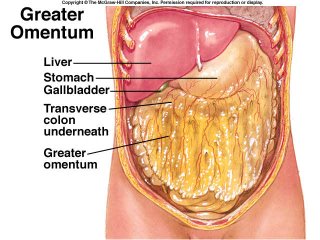
Almost everybody incorrectly correlates weight and body appearance with overall personal health. While I'll never argue that having an obese BMI >30 is the same as being in the "normal" range <25; there is a term Mark Hyman, MD uses called "skinny fat." I love the term "skinny fat" because what we look on the outside does not always portray an accurate picture of how our internal body systems are working. "Skinny fat" is essentially referring to the amount of fat buildup on our internal organs and the integrity of our arteries despite losing a few pounds. In order to truly improve your health, you need to get your hormones properly balanced. Sara Gottfried,MD has a new book where she outlines the most important hormones for overall health. For men it's the "3 Amigos:" cortisol, testosterone, thyroid and for women it's "The Charlie's Angels:" estrogen, cortisol, thyroid. The best way to improve your health is to control the level of inflammation in your body by maintaining proper hormone balance through a well-balanced diet. Here are Mark Hyman's diet recommendations to control the level of fat: (taken from Mark's article originally seen on Huffington Post) 
  1. Eat a Low-Glycemic Load Diet -- Lean animal protein (chicken, fish, and eggs), nuts, seeds, beans, vegetables, fruit, and small amounts of non-gluten grains.
  2. Power Up with Protein -- Start the day with protein and at each meal. This makes your metabolism run hotter and cuts hunger. Incorporate eggs, protein shakes, nuts, seeds, chicken, or fish.
  3. Don't Drink Your Calories -- No sodas, juices, sweetened drinks and no more than 3-4 glasses of wine or alcohol a week with meals.
  4. Avoid the Deadly White Powder or Flour -- Including gluten-free flour products. Even whole grain flour acts like sugar in your body.
  5. Beware of Frankenfood -- Factory-made foods are often science projects with fake ingredients including MSG (which causes ravenous hunger and is hidden as "natural flavoring"), high fructose corn syrup, artificial colors, preservatives, and chemicals.
  6. Eat From the Right Plant -- If it was made in a plant stay away, if it was grown on a plant it is probably okay.
  7. Get an Oil Change -- Eat omega-3 fat-rich foods including sardines and wild salmon and avoid refined and processed vegetable oils except olive oil.
  8. Get Going and Get Strong -- Both cardio and strength training are key. Cardio builds fitness and improves metabolism, and strength training builds muscle so you won't be a skinny fat person.
  9. Take Supplements -- They grease the wheels of your metabolism and help burn calories and balance blood sugar. A good multivitamin, fish oil (EPA/DHA,) and vitamin D do the trick for 95 percent of people.
  10. Protect Sleep Time -- Sleep deprivation alters metabolism and increases cravings for carbs and sugar. Sleep is sacred. Make your bedroom a sleeping temple and stay there for 7 to 8 hours a night
These dietary principles are an excellent way to lose body fat and feel great. So at your regular physical examination, ask your doctor for the right lab tests to make sure your lipid profile, inflammation level, and thyroid hormones are well balance to prevent becoming "skinny fat."

References:
http://www.foodmatters.tv/articles-1/why-skinny-doesn-t-always-mean-healthy
http://www.huffingtonpost.com/dr-mark-hyman/skinny-fat_b_1799797.html?utm_hp_ref=healthy-living
http://www.drsharma.ca/wp-content/uploads/sharma-obesity-omentum.jpg

NEW FDA FOOD LABEL REVIEW

This picture has been circulating showing some proposed changes the FDA may be making to the food labels. Here is a quick review of some of the changes:
The GOOD:
1. Take away calories from fat to help better understand that fat is not bad for you and does not make you fat.
2. Adding Vitamin D and Potassium to the required listing.
3. Making servings per container more realistic in size based on the type of food.
4. The added sugar line. (I'm hesitant to put this in the good category because whether it's added or natural sugar, it will still cause your insulin to spike and put your body in fat-burning mode.)

The BAD:
1. Increasing the emphasis on calories. This plays into the Calories in vs. Calories out myth that many people (including the FDA) believe to be true. Gary Taubes goes into great detail of why not all calories are created equal in his books Why We Get Fat and Good Calories Bad Calories
2. Not doing away with the Calorie per gram Footnote. This is where people see 1g of fat=9 calories, 1g protein= 4 calories, 1g carb= 4 calories. Just because it has more calories per weight does note mean it makes your fat!!!!

Overall some steps in the right direction, but I think the bad out weighs the good with the heavy emphasis on calories.

WHY IS GLTUEN BAD?

Many people may have noticed that gluten-free products and special gluten-free menu items are becoming more common. Gluten is found in most grains - it helps them "stick together" and increases the shelf life. Gluten intolerance runs on a continuum ranging from those who are extremely reactive (Celiac's Disease) to those who have minimal effects. Regardless of where you fall on the continuum, eliminating gluten and other grains will help decrease "brain fog" and food cravings in almost everyone. Also, beware of many "gluten-free" foods, as they are loaded with sugar which will increase blood sugar and start the insulin cascade. This leads to fat storage in your body.

Check out Dr. Gottfried's article for more details on gluten and why it is so harmful to our bodies.


THE BEGINNING...

"If you are listening to this podcast and still eat gluten, you just don't get it..."

That was the phrase that started my nutritional transformation. While listening to Kelly Starrett promote his book on the Bulletproof Executive Podcast, Dave Asprey said those words that were eye-opening. This knowledge came as a surprise, as I am someone who ate cereal and milk for breakfast every morning for the last 25 years.  The more I researched gluten and the standard American diet, the more I found out how much food affects every aspect of our lives.  Since hearing those words, I have changed how and what I eat for every meal and have never felt better!

Look for future posts on the best ways to achieve your goals through your nutrition.