3 Ways to Prevent IT Band Syndrome

By Ryan Domeyer PT, DPT, CMPT


The iliotibial band (IT band) is a dense band of connective tissue that can contribute to pain in runners, cyclists, and athletes. Our IT band is not contractile tissue and therefore is not "tight." However, the IT band does serve as an attachment for the major muscles of you leg including your gluteal muscles, quadriceps, hamstrings, and hip flexors. IT Band Syndrome is a condition that can be caused by repetitive motion at the knee leading and most commonly leads to friction on the outside of the knee. Those with IT Band Syndrome will have complaints to ache or burning pain on the outside of the knee that worsens with prolonged activity.  IT band syndrome can vary in presentation as can be a nagging ache after activity to totally limit ability to participate in repetitive activities. There are many factors that contribute to increased friction and most commonly is tightness on the front of the hip from sitting. Here are 3 ways in which you can prevent lateral knee pain:


  1. Stretching:
-Stretching the muscles that attach to the IT band will help lessen the load placed on the outside of the knee
-Hold each stretch for 1 minute prior to activity and at least 2 min after activity

    1. Psoas (Hip Flexor)/Quadriceps
    2. Tensor Fascia Lata (TFL)
    3. Hamstrings


  1. Properly Foam Roll
The mechanism of why foam rolling is unknowns, however, a popular theory is that it works by causing a muscle to reflexively relax causes the muscle to relax and lengthen. The IT Band is thick dense tissue that unlike muscles is unable to be stretched and therefore does not benefit from direct compression with foam rolling. Despite popular opinions, foam rolling directly over the IT band does not release scar tissue or improve myofascial tension. There is no harm to using a foam roller to the IT band other than unnecessary discomfort. Instead, foam roll the muscles that attach the IT Band including the quadriceps, hamstrings, TFL, gluteus maximus/medius.


Dr. John Rusin does a great job describing the myths of foam rolling and how to properly foam roll around the IT band


  1. Prevent Knee Valgus
Knee valgus is movement of the knee inward which cause excessive stress and lead to multiple injuries including IT band syndrome.  Proper alignment of the knee is a straight vertical line from hip, knee, and ankle. Valgus stress on the knee has numerous causes including:weak gluteal muscles, flatten arch, and walking/running like a duck with toes pointed out.  Poor knee position is exacerbated during single leg landing especially during running.  Work to improve position by:
  1. Standing on 1 Leg- in a running position standing on 1 leg keeping your hips level, neutral arch position and preventing your knee from turning inward. Hold for 5-10 seconds focusing on proper knee position
  2. Supine Bridges- laying on your back with knees bent, lift your butt off the ground squeezing your gluteal muscles. Hold for 5 seconds and repeat 10 times.

If these self treatment techniques do not prevent or relieve the symptoms of IT band syndrome, you would benefit from a comprehensive movement examination from a physical therapist to provide the best way for you to get back to whatever activities you want to do.


References:
1. Falvey EC, Clark RA, Franklyn-Miller A, Bryant AL, Briggs C, McCrory PR. Iliotibial band syndrome: an examination of the evidence behind a number of treatment options. Scand J Med Sci Sports. 2010 Aug;20(4):580–7. PubMed #19706004.

2. Yves Demol, Aurelie Ackerman. IT Band Syndrome. http://www.physio-pedia.com/Iliotibial_Band_Syndrome

6 Ways to Improve Your Running Technique

By Ryan Domeyer PT, DPT, CMPT

During the course a year, it's been estimated that nearly 80 percent of recreational runners will sustain a running related injury.2


In fact, it’s not uncommon to see some participants at local races and marathons walking around with braces, compression sleeves, tape or special shoes. This is because running is a complex functional human movement that few people are taught to perform correctly.


Despite running being a complex skill, most physical education, cross country and track practices simply consist of a short warm up before participants start running. A baseball or softball pitcher, on the other hand, has a warm up routine focused on skill development and technique in order to complete consistent and efficient movement to maximize output. If we take the same approach with running, warm ups should be spent on learning and practicing proper technique to lessen stress on joints and decrease the risk of injury.


Inefficient running form can lead to common lower extremity injuries including: plantar fasciitis, achilles tendinitis, shin splints, "runners knee," hip flexor tendinitis, low back pain, or neck pain.  Research has shown that real time visual and audio feedback can improve running form and optimize running mechanics.  With more efficient mechanics, a runner will be able to utilize less energy, improve time, and decrease risk of injury. Physical therapists are experts in human movement and can help improve running technique with real time audio and visual feedback.  Physical therapists can take slow motion video of your running mechanics to provide feedback to improve efficiency.  A physical therapist can develop a proper warm up focused on skill development to return to running after an injury or improve efficiency to achieve a new personal record. Here are six ways to improve your running technique:


1. Proper Warm Up – Make sure to complete a dynamic warm up to activate your feet, hips, and core. A proper warm up will increase blood flow to muscles and joints properly preparing them for the loading needed to run


2. Neutral Start Position – If you start running in a bad position, you are likely to end in a bad position. Instead, begin your run on the right track with a neutral neck aligned over your shoulders, neutral low back without a large curve, and feet straight forward with proper arch height.


3. Build Strong Feet – Cushioned shoes with large heels inhibit the small muscles of your feet. Building the strength of your foot, however, will decrease the need for stability shoes. As your foot strength improves you can transition from a stability shoe to neutral shoes with less drop from heel to toe. Use caution as minimalist shoes can lead to injuries if used on feet with poor strength.


4. Don’t Heel Strike – Avoid landing on your heel because it increases stress on your foot, knee and lower back. Instead land on the middle of your foot to adequatly transfer foreces to propel your body forward.


5. Increase Step Frequency – Taking more steps can actually decrease stress on your join which can decrease the risk of injury.3


6. Positional Awareness – Recognize inefficient running positions and make conscious effort to change your position when needed – especially as fatigue sets in.


Proper Form = Injury Prevention
Inefficient running form can lead to common lower extremity injuries including plantar fasciitis, Achilles tendinitis, shin splints, "runners knee," hip flexor tendinitis, low back pain or neck pain. By paying attention to your technique, however, you will be able to utilize less energy, improve time and decrease risk of injury on your next and future runs.


References: 


  1. “Gait Retraining for Injured and Healthy Runners Using Augmented Feedback: A Systematic Literature Review” (J Orthop Sports Phys Ther 2015;45(8):576–584. doi:10.2519/jospt.2015.5823).
  2. http://www.ncbi.nlm.nih.gov/pubmed/27074435

WHAT I SHOULD EAT PART 2- Fat Phobia


Since the 1980's the Food and Drug Administration and dietitians have told us fat (especially saturated) causes heart disease and make you gain weight and should be avoided. The 'low fat' diet craze led to big food companies marketing 'low fat or no fat' foods and artificial spreads as 'heart healthy.' In order to avoid fat, the FDA recommended largest amounts of grains (think bottom of the for pyramid) which are mainly processed carbohydrates. Largest observational research has shown that eating red meat, butter, and whole food fat sources are excellent for overall health when consumed with a low starch/carbohydrate diet.  The largest culprit to the rise in obesity, diabetes, diabetisty, and cardiovascular disease is the over consumption of processed carbohydrates (grains and sugar) which constantly raise insulin levels and inflammation throughout the body.  The chronic rise in inflammation in the arteries leads to formation of plaque. Eating fat will not increase your body fat percentage just like eating cholesterol will not give you a heart attack.  More health professionals and media members are realizing that fat is not the enemy. Look for the next issue of TIME magazine for more information about the history of the 'low fat' diet and the negative impact it is having on our health. 

Foods to avoid to decrease inflammation in the body: 
sugar, artificial spreads, processed grains, vegetable oils, canola oil, soybean oil

How to add healthy fat sources into your diet: 
wild caught fish,  butter/ghee, eggs, avocado, olives (not canned), coconut, nuts (almonds, brazil nuts, macadamia nuts, NOT peanuts), coconut/olive oil

WHAT SHOULD I EAT? PART 1

It is a very simple question; what should I eat? However it's a very complicated answer depending on what media outlet or dietitian you ask. Some say high carbs, no carbs, low fat, high fat, a lot of protein, then we were told it didn't matter it was all about the number of calories.  The real answer to the question is simple: EAT REAL FOOD. Despite what you may have learned it's not as simple as calories in calories out because not all calories are created equal. When you eat highly processed foods which lack macronutrients (protein, carbs, fat) and micronutrients (vitamins, minerals) leaving your body unfulfilled and hungry for essential nutrients  When your diet is focused on fresh local produce, your body is satisfied and is able perform optimally.
While no two people should follow the same diet as we are all different, the best answer to the question is EAT REAL FOOD.  There are many different dietary philosophies including Paleo, vegan, vegetarian, raw food etc. While many people argue which diet is best, they all based on eating real unprocessed food and there is no question that it is better than the 'Standard American Diet. (SAD) The SAD which is largely a low fat, high carbohydrate diet which is focused on limiting the number of calories. Here are a few quick tips on how to make better decisions about what you eat.
Avoid:
1. Soybean/Corn Oil- (includes high fructose corn syrup)
2. All artificial sweeteners (aspartame, sucralose, dextrose )
3. MSG- monosodium glutamate
Healthy Alternatives:
1. Vegetables: broccoli, kale, spinach, brussel sprouts, garlic, bok choy, cucumbers, carrots.
2. Wild Caught Fish, sardines, anchovies
3. Moderate amounts of nuts (not peanut butter), fresh fruit (not fruit juice)
4. Eggs, full fat dairy (if your body tolerates it)

As a general rule, the less number of ingredients the better. Another rule is eat food your great grandmother ate. My best recommendation is finding the best way to eat as many vegetables as possible. My favorites are steamed green veggies loaded with butter and homemade vegetable smoothie/juices.
Look for Part 2 about Fat Phobia and why eating is good fit you,

This post is inspired by Gary Taubes article in the NY Times earlier this year which you can read here.

SITTING AT WORK


I think it's pretty common knowledge at this point that sitting is not natural for our bodies - and can have detrimental effects. Sitting puts excessive stress on the lower back, neck, shoulders, hips, and ankle joints while making the calves, hip flexors, upper neck, and pec muscles shortened. 

Research affirms this notion, and a large study involving over 100,000 adults found that those sitting for up to 6 hours a day had up to a 40% greater risk for death in the next 15 years as compared to those who sat for less than 3 hours a day. Surprisingly, these differences were found independent of whether someone exercises!

My recommendation is to avoid sitting as much as possible. If you have to sit at work, take frequent standing breaks whenever your schedule allows. Taking short standing breaks throughout the day is much more beneficial to your body than sitting for 6-8 hours and then going to the gym to exercise for 30 minutes. Not only will you be improving your joints and muscles, but you will actually increase your brain power by standing. More on this when I talk about standing work stations...

References: 
http://aje.oxfordjournals.org/content/172/4/419.abstract
http://chriskresser.com/how-sitting-too-much-is-making-us-sick-and-fat-and-what-to-do-about-it

WHY "SKINNY" DOES NOT EQUAL HEALTHY


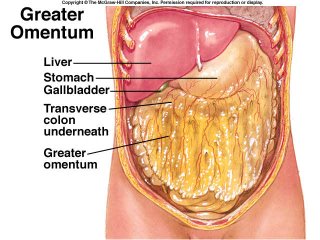
Almost everybody incorrectly correlates weight and body appearance with overall personal health. While I'll never argue that having an obese BMI >30 is the same as being in the "normal" range <25; there is a term Mark Hyman, MD uses called "skinny fat." I love the term "skinny fat" because what we look on the outside does not always portray an accurate picture of how our internal body systems are working. "Skinny fat" is essentially referring to the amount of fat buildup on our internal organs and the integrity of our arteries despite losing a few pounds. In order to truly improve your health, you need to get your hormones properly balanced. Sara Gottfried,MD has a new book where she outlines the most important hormones for overall health. For men it's the "3 Amigos:" cortisol, testosterone, thyroid and for women it's "The Charlie's Angels:" estrogen, cortisol, thyroid. The best way to improve your health is to control the level of inflammation in your body by maintaining proper hormone balance through a well-balanced diet. Here are Mark Hyman's diet recommendations to control the level of fat: (taken from Mark's article originally seen on Huffington Post) 
  1. Eat a Low-Glycemic Load Diet -- Lean animal protein (chicken, fish, and eggs), nuts, seeds, beans, vegetables, fruit, and small amounts of non-gluten grains.
  2. Power Up with Protein -- Start the day with protein and at each meal. This makes your metabolism run hotter and cuts hunger. Incorporate eggs, protein shakes, nuts, seeds, chicken, or fish.
  3. Don't Drink Your Calories -- No sodas, juices, sweetened drinks and no more than 3-4 glasses of wine or alcohol a week with meals.
  4. Avoid the Deadly White Powder or Flour -- Including gluten-free flour products. Even whole grain flour acts like sugar in your body.
  5. Beware of Frankenfood -- Factory-made foods are often science projects with fake ingredients including MSG (which causes ravenous hunger and is hidden as "natural flavoring"), high fructose corn syrup, artificial colors, preservatives, and chemicals.
  6. Eat From the Right Plant -- If it was made in a plant stay away, if it was grown on a plant it is probably okay.
  7. Get an Oil Change -- Eat omega-3 fat-rich foods including sardines and wild salmon and avoid refined and processed vegetable oils except olive oil.
  8. Get Going and Get Strong -- Both cardio and strength training are key. Cardio builds fitness and improves metabolism, and strength training builds muscle so you won't be a skinny fat person.
  9. Take Supplements -- They grease the wheels of your metabolism and help burn calories and balance blood sugar. A good multivitamin, fish oil (EPA/DHA,) and vitamin D do the trick for 95 percent of people.
  10. Protect Sleep Time -- Sleep deprivation alters metabolism and increases cravings for carbs and sugar. Sleep is sacred. Make your bedroom a sleeping temple and stay there for 7 to 8 hours a night
These dietary principles are an excellent way to lose body fat and feel great. So at your regular physical examination, ask your doctor for the right lab tests to make sure your lipid profile, inflammation level, and thyroid hormones are well balance to prevent becoming "skinny fat."

References:
http://www.foodmatters.tv/articles-1/why-skinny-doesn-t-always-mean-healthy
http://www.huffingtonpost.com/dr-mark-hyman/skinny-fat_b_1799797.html?utm_hp_ref=healthy-living
http://www.drsharma.ca/wp-content/uploads/sharma-obesity-omentum.jpg

NEW FDA FOOD LABEL REVIEW

This picture has been circulating showing some proposed changes the FDA may be making to the food labels. Here is a quick review of some of the changes:
The GOOD:
1. Take away calories from fat to help better understand that fat is not bad for you and does not make you fat.
2. Adding Vitamin D and Potassium to the required listing.
3. Making servings per container more realistic in size based on the type of food.
4. The added sugar line. (I'm hesitant to put this in the good category because whether it's added or natural sugar, it will still cause your insulin to spike and put your body in fat-burning mode.)

The BAD:
1. Increasing the emphasis on calories. This plays into the Calories in vs. Calories out myth that many people (including the FDA) believe to be true. Gary Taubes goes into great detail of why not all calories are created equal in his books Why We Get Fat and Good Calories Bad Calories. 
2. Not doing away with the Calorie per gram Footnote. This is where people see 1g of fat=9 calories, 1g protein= 4 calories, 1g carb= 4 calories. Just because it has more calories per weight does note mean it makes your fat!!!!

Overall some steps in the right direction, but I think the bad out weighs the good with the heavy emphasis on calories.

WHY IS GLTUEN BAD?

Many people may have noticed that gluten-free products and special gluten-free menu items are becoming more common. Gluten is found in most grains - it helps them "stick together" and increases the shelf life. Gluten intolerance runs on a continuum ranging from those who are extremely reactive (Celiac's Disease) to those who have minimal effects. Regardless of where you fall on the continuum, eliminating gluten and other grains will help decrease "brain fog" and food cravings in almost everyone. Also, beware of many "gluten-free" foods, as they are loaded with sugar which will increase blood sugar and start the insulin cascade. This leads to fat storage in your body.

Check out Dr. Gottfried's article for more details on gluten and why it is so harmful to our bodies.


Mobility WOD

One of my largest professional influences is Kelly Starrett and his website MobilityWOD. For those who aren't familiar with Crossfit terms, "WOD" stands for "workout of the day." Kelly provided a way to improve your joint ranges without doing any static stretching. Kelly is an incredible public speaker and his book is a must read for anybody who does Crossfit or has any interest in learning proper exercise technique. MobilityWOD is website with a ton of free content, including over 300 free videos to help improve your functional range of motion - whether your goal is to improve performance or reduce risk of injury.  I am a firm believer that static stretching does not improve performance or reduce risk of injury, but rather being able to perform functional movements with proper form is the key to injury prevention...but that's another post for another day.

THE BEGINNING...

"If you are listening to this podcast and still eat gluten, you just don't get it..."

That was the phrase that started my nutritional transformation. While listening to Kelly Starrett promote his book on the Bulletproof Executive Podcast, Dave Asprey said those words that were eye-opening. This knowledge came as a surprise, as I am someone who ate cereal and milk for breakfast every morning for the last 25 years.  The more I researched gluten and the standard American diet, the more I found out how much food affects every aspect of our lives.  Since hearing those words, I have changed how and what I eat for every meal and have never felt better!

Look for future posts on the best ways to achieve your goals through your nutrition.


ABOUT RYAN


Ryan Domeyer is dedicated to providing high-quality, individualized physical therapy for his patients. He has been with Accelerated/Athletico for the past 4 years, and was most recently the Facility Manager/Physical Therapist at our South Des Moines location before assuming the position of Facility Manager/Physical Therapist in Indianola. Prior to receiving his Doctorate of Physical Therapy, he interned as a strength and conditioning coach at Loras College and continues to have a passion for sports medicine with emphasis on exercise technique, injury prevention, and orthopedic rehabilitation with return to sport. Passionate about continuous improvement and knowledge growth, Ryan has completed advanced training on ACL return to play, hip preservation, Astym (Augmented Soft Tissue Mobilization), and recently became a Certified Manual Physical Therapist (CMPT) through the Institute of Manipulative Physiotherapy and Clinical Training. Using an evidence-based, patient-centered approach, Ryan treats a wide variety of musculoskeletal, vestibular, and neurologic injuries. Ryan enjoys working closely with direct access patients and other medical professionals to provide the best patient experience and clinical outcome.


Ryan continues to enjoy participating in athletics including basketball, sand volleyball, softball, and cycling. He has developed special interests in nutrition, mobility, exercise techniques, and is constantly educating himself to optimize his own personal wellness as well as the patients he sees every day.